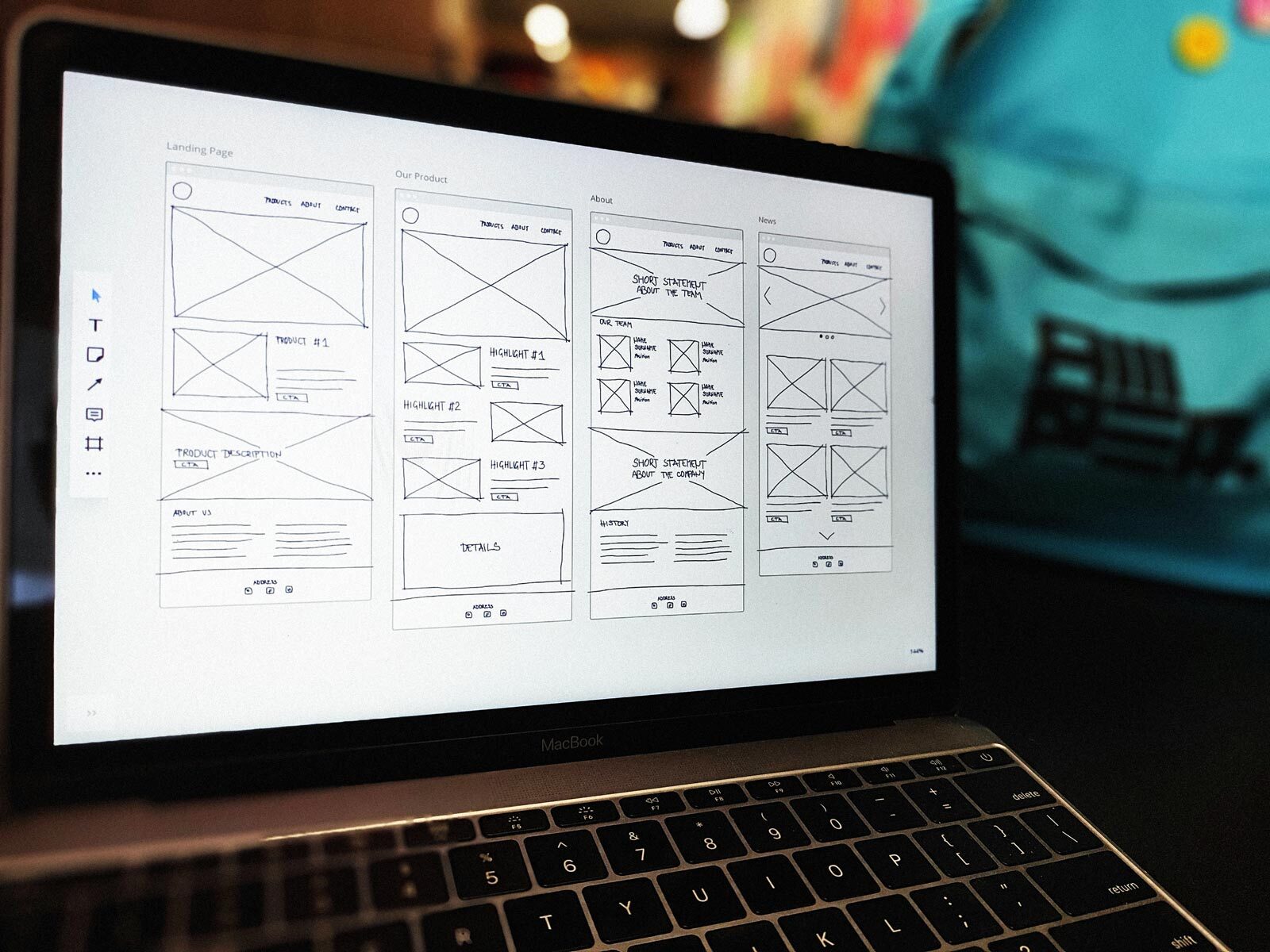
In this digital era, a website is a must-have for anyone, especially for businesses. Websites are a way to showcase your services or products. It can also be a way to get a glimpse of what your potential customers want.
In order to showcase your products, or get information on your customers, your website should be made with these goals in mind. To do that, you should follow these best practices for your website.
User-Centered Design
Websites should be built with the users in mind. Imagine if an ATM (automated teller machine) had a full keyboard instead of just a few buttons. The same relates to websites, you should know your audience. Design your website’s layout, navigation, and content hierarchy based on user insights. Ensure that the most important information is easily accessible.
Responsive and Mobile-Friendly Design
With everyone using their mobile phones as their daily driver, websites should work seamlessly on smart phones and other various devices and screen sizes, including tablets. One of the tools we use to test a website’s responsiveness is the AmIResponsive app.
Fast Loading Speed
There’s nothing more frustrating than waiting on anything, this includes waiting for a website to load. Research shows an average user is only willing to wait less than two seconds for a website to load.
Clear Message
Having a clear message means your website’s content is immediately understood, easy to consume, and leaves no room for doubt or confusion. It gives users the answers they need and the clarity they are seeking when they visit your website.
Readable Content
Aside from having clear content, being able to read the content is also a big factor. There are different ways to tackle this.
First, is dealing with the website’s accessibility which means your website should cater to your audience. If your users are mostly elderly, the text sizes should be larger, or if your users are visually impaired, your website should be compatible with the devices they use to read the content.
Second, content should be broken up into scannable chunks with headings, subheadings, bullet points, and short paragraphs. This is what we call visual hierarchy.
Third, content is not just about text but also images. Using high-quality images and graphics can enhance the content without overwhelming the users.
Intuitive Navigation
Keep the navigation menu simple and logically organized by using clear and descriptive labels for menu items. This makes it easy and intuitive for users to find and access the information they are looking for. In essence, it means that users can interact and navigate the website without having to think too hard or guess where to go next for the information they’re looking for.
By following these best practices, you can create a website that not only meets your business goals but also provides an exceptional user experience, leading to higher user satisfaction and engagement. And remember that building a successful website is an ongoing process. Regularly assess your website’s performance and make improvements based on user feedback and changing trends in web design and technology.
Looking to take your website to the next level? Anomaly’s web design and development experts are ready to help!